




Welcome to the Cairns Golf Club
Cairns Golf Club is a modern 18 Hole Championship Golf Course centrally located just minutes from the centre of Cairns in Far North Queensland, Australia. The Club has a fleet of 60 motorised carts is open for social play 7 days a week and has a full length floodlit driving range. We have a fully stocked Golf Shop with PGA Professionals on staff.
The modern air-conditioned clubhouse seats 120 people and is available for function hire.


The Struggle Continues as War Looms
The 6th Annual General Meeting was held at The Strand Hotel, and it was decided to have a benzine tin at each tee box with the correct length of each hole established and recorded on the tin. It was also decided to have sand at each tee as in early years. Sand was used to place the ball on and water used to make the sand moist so it could be shaped into a mound.
Several garages were erected for members vehicles in 1930. Over the years these garages were used stabling the club’s horses. At this meeting a request was made from the local clergy for use of the course which was granted only for weekdays. This is the first time this type of membership was approved by the committee (5-day membership). Another request was made by flying enthusiasts to use the course as a landing field which was rejected.
 The course was unfenced, and problems arose due to straying stock. The property adjoining the course to the north was owned by a butchering firm and used as a holding yard. The presence of cattle was so serious that a fence was constructed and the cattle owners forced to remove their cattle.
Miss Margaret Elizabeth Jones (Affectionately known as “Jonesy”)
Devoted 24 years of her life to advancement of Ladies Golf in Far North Queensland. She joined the Cairns Club on 21st March 1930, acting as the Associates Secretary from 1933 until 12th November 1957. She died in office aged 75 years.
In 1958 the Associates planted a pink Cassia tree near the 17th Tee, in honor of Miss Jones. In 1964 a bronze plaque was fixed to this tree. In 1998 due to a change in the course the plaque was relocated below a tree near the 18th Green.
Mr. S. H. Warner
Mr. Warner can truly be described as the "Father of the Cairns Golf Club." He was one of the three foundation Vice Presidents and became President in September 1924. He remained President of the Club until 1941. From 1941 until his death in December 1943 he was Patron of the Club. He was President of the Club for 17 consecutive terms.
Mr. Warner was a popular and respected businessman who devoted his time, talents and pocketbook to the progress of the Golf club. His personal and business integrity was a big factor in securing bank loans for the Club during its early years. His far sightedness in advising the Club to purchase land to provide for the future expansion of the Course, would save the Club a considerable amount of money. Records confirm that it was families of many of the larger business houses that were prominent in the development and success of the Cairns Golf club.
 The following are the years of service that each of the Warner family, plus those linked by marriage, contributed to the development of the Club. S.H. Warner 20 years, J.R. Warner 27 years, W.H. Warner14 years. Hazel Gummow nee Warner, 11 years, George Gummow 30 years and Mrs M Warner (Bill Warner's wife) 3 years. A Grand total of 105 years. Other families such as the Draper, Langan, Griffiths, Hastie, Harris, MacDonnell, Taylor, were very prominent.
The April Meeting passed a Motion providing a special trophy for competition by Associate Members — "Cairns Ladies Cup," was introduced and played for on Open Days held by Associates. It was a teams event (four to a team) and played over 27 holes, one restriction was that only those with handicaps of 1 to 18 were eligible. The cost of the trophy not to exceed £4. This cup was destroyed in the 1970 Clubhouse fire.
Cairns's Teams regularly visited sister clubs in the District with the mode of travel differing to that in use today. Bitumen roads were rare and motor vehicles were restricted to a select few. During 1931 a Cairns team travelled to the Drumsara (Mossman) Golf Club, with players travelling by boat. The launch "Magneta" was hired with players paying £1/0/0d for the return fare. The Magneta was the flag ship of the Cairns Aquatic Club. It was hired out to those requiring transportation.
The Cairns Course since its inception was restricted to nine holes. During the later half of 1931 the Committee took steps to increase this number. The Meeting held on the 20th November 1931 empowered its green's committee to prepare plans for a second nine holes.
With the machinery available today, time taken to mow fairways and greens is counted in hours, not days, as was the case when horse drawn mowers were used. In 1934 it was reported that the time taken to mow 9 fairways once and cut the greens twice was seven days.
During the early thirties the world was in the midst of a depression, money was scarce, and the Club was forced to seek loans to provide the necessities required in the running of a golf club.
The May Meeting called on members to support the raising of an interest free loan of £166/0/0d for the purpose of purchasing a refrigerator. The loan would be repaid over a period of two years. In late 1934 the Green's Committee was given authority to trial, and if acceptable, purchase, a Berrigan mower, that was for sale from the Babinda Golf Club. The trial was successful and the mower purchased for £30. As well as the mower, the sale of a horse for £5 was also negotiated. In the early years, Caddies were a part of the golfing scene, and the June Meeting in 1934 recorded the completion of a "caddies" shed.
The introduction of push buggies, as used by todays golfers, did not occur until 1947. Bryan McCallum, a former Club Member, who also caddied prior to 1947 advised that Ray Howarth in 1947 was the 1st member to use a push buggy on the Cairns Course.
Throughout the Minutes, mention of the word "Bogey" is prevalent. Today's usage describes a type of competition, or where the score taken by a player at a particular hole is one over the par for the hole. Its usage in earlier years was slightly different, in that, it described the par of a hole, hence reference to lowering or lengthening the "Bogey" of a hole, or holes, is encountered in many Minute books.
Until 1935 Members practicing on the course were charged green fees. However, the July
Meeting in 1935 amended the rule to allow Members to practice without fees, provided that they received lessons from the Professional, and that such practice was restricted to one fairway and green.
Throughout this period little mention is made of Juniors, which is attributed to the Liquor laws in force at the time, which prevented Juniors from becoming Members of golf clubs. However, some Juniors did play but these were never allowed in the Clubhouse. The September Meeting agreed that Juniors were eligible to compete in competitions but paid the same green fees as Members.
Early in 1939 the Club constructed 6 additional motor garages at a cost of £10 each, with construction costs being borne by the Members concerned. The Annual Meeting heard that F. R. Irelands would provide the maintenance of all plant and machinery owned by the Club.
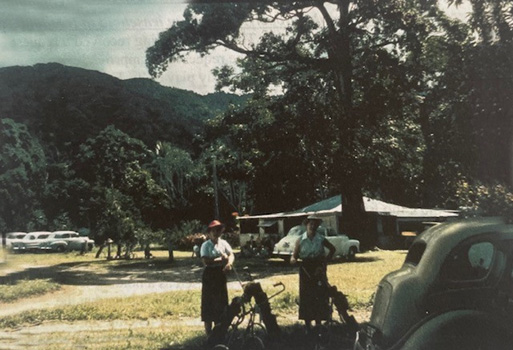 Note – the construction of motor garages in lieu of Members lockers underlines status of people playing golf in that era, not everyone would have been wealthy enough to purchase, or even drive motor cars in that era. As well as garaging motor vechiles, space was also provided for the storage of golfing equipment.
A second Special Meeting in March discussed problems with catering, and permission was given for the appointment of a resident Caterer with a renumeration of £2 per week being paid. Mrs. Topping was the successful applicant.
With the appointment of Mrs Topping it was thought that the problems associated with the provision of afternoon teas would disappear – but no – more problems would follow. A dispute between Associate Members and the Caterer, concerning the price charged for a pot of tea and sandwiches, was discussed at the June Committee Meeting. Mrs. Topping’s charge of 9d for a pot of tea and sandwiches was claimed by Associates as too high and they requested that the price be lowered to 6d. Mrs. Topping resigned as Caterer on 18th August 1939
At the end of 1939 the Greens Committee was instructed to proceed with the plans to extend the Course to 18 holes, and tenders were called for the clearing of 20 to 25 acres to accommodate the extra holes. Messrs. Murray and Skinner were awarded the contract and clearing commenced but was halted and the tender cancelled due to the outbreak of World War Two.
 Meetings to form a golf club were held at the Strand Hotel on the 6th, 10th and 18th
December 1923. The Meetings would put into place the procedures to be adopted in the formation of a golf club, which would be known as The Cairns Golf Club. At the time the Strand Hotel and its sister hotel, the Pacific, were situated on the Esplanade where the present Pacific Hotel now stands. The Strand occupied the corner of Spence Street and the Esplanade with the Pacific next door on the Esplanade.
The inaugural meeting held on the 6th December, attracted an attendance of 15 persons - six others sent in apologies. The meeting elected Mr. A. J. Draper as Patron (pictured below), with Mr. J. O. Ellis accepting the position of President. Messrs. The Position of Captain was not created.
The three early Meetings set the following ground rules -
- – Members were to pay a yearly subscription of £2/2/0d.
- – Associates Members were to pay a subscription of £1/1/0d.
- – Both Members and Associates paid the same ground fee of sixpence (6d) for 9 holes.
- – Both Members and Associates came under the control of the one governing Committee.
At the inaugural Meeting a Sub Committee was delegated to approach a Mr. Dean, who owned a paddock at Edge Hill, with the intention of laying out a 9-hole course. The area selected fronted Pease Street and would later become the site of the present Edge Hill State School. On the 26th January 1924 (Foundation Day) the official opening of the Edge Hill Golf Course was performed. The position of Captain was not included and the duties were performed by the President, it was not until the Annual General Meeting held on 8th September 1924 that Mr. C. Taylor was appointed as the first Captain of the Club.
In appreciation for his work performed in the formation of the Club, Mr. Ellis was presented with a suitable gift on his departure. The trophy cabinet in the Clubhouse presently holds a desk set which is engraved with Mr. Ellis's name.
Mr. Draper was the patron of the Club from 1924 until 1928. The Draper family was very prominent in the affairs of the Club. Mr. Draper was the father of Molly Draper who would by her generosity to the female members of the Club etch the Draper name in the records. Molly was a twin and joined the club in 1924, and in 1936 she donated trophies to the then Associate Members known as the Molly Draper Medals that are still played for until recently.
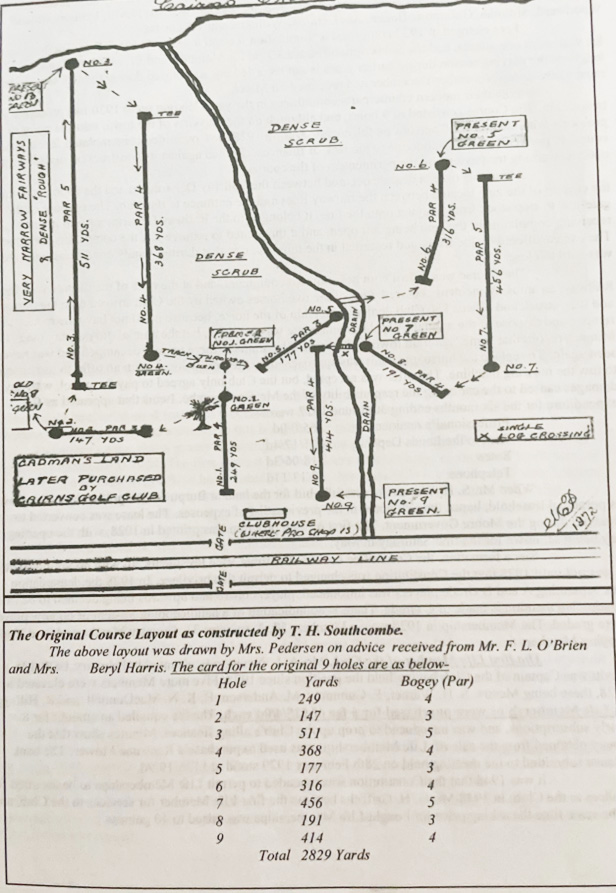 Transportation to and from the Edge Hill links was a problem, with the Committee arranging bus services to the Course on weekends. In 1924 the Club examined relocating the Course, with two choices being considered. The first was at Freshwater and the second at Burpu, on the southern boundary of Cairns. The Burpu site was selected due to its location, being on the main road and more accessible than the Freshwater Site. The Committee set aside £500/0/0d for the completion of a 9 hole course at Burpu. The origin of the name, Burpu, is unknown, but appears of aboriginal origins, at the time it was the name of a railway siding situated outside the site of the golf course. The Siding has since been abandoned and the name disappead from council maps.
The opening of the 9 hole course at Burpu was set down for the 26th January 1926. The 9 hole course at Burpu would later develop into the course played today. As with the Edge Hill course, transportation became a problem. Steps were also taken to arrange transportation by asking members with cars to provide transport for those less fortunate.
During 1926, the golf club was the hub of social activities for the town of Cairns. The Minutes
reveal that a request was made by Associate Members asking that ladies “on and after attaining the age of 16 years” be admitted as non-playing members. The request was approved and a subscription fee of 10/6d was set.
By 1927 green fees for Members had risen to 2/-d per day or part thereof, those for Associates remained the same. In the years to 1927 committees had difficulty in meeting expenses, and the Treasurer’s report for 1927 showed an overall loss of £85/8/11d. Much of the blame for the loss was put down to a cyclone which devastated the area in February of that year.
At the 31st December 1927 the Membership of the Club was – Members 56, Associates 31, Country Members 5, Non Playing Members 6.
Golf Buggies were were unheard of in early years and Caddies were the `in thing'. Caddies were paid 1/3d for 18 holes of golf, but if a Caddy lost a ball on a fairway he was fined 3d.
There has always been conjecture as to the correct Colours of the Club. A Meeting held on the 8th September 1924 records show a motion was moved that the Club colours be Royal Blue and Red. Committees over the years considered the colours to be `hot,' and many changes were made
The Cairns Club was instrumental in the formation of the Far North Queensland Golf Association, when at a Club Meeting held on 23rd May 1927, it drew up a constitution for the formation of the Association. Copies of the articles were sent to all clubs, and a meeting, which was held at the Strand Hotel in Cairns, was set down for Sunday night 5th June 1927.
1927 revealed that the first six months to June the bar showed a loss of £29/8/11d. Bar staff were not employed and Members served themselves on an honorary basis. After June 1927 a barman was employed and by December the same year, a profit of £21/0/0d was made. The barman's wages for the weekend was a guinea.
The course was mown with horse drawn equipment and one of the 2 horses owned by the club strayed onto the railway tracks and was struck and killed. The club denied ownership of the horse because it did not have the money to remove and dispose of the animal. A replacemnet horse was obtained but an “ignorant townie” frightened the animal where it decamped and was never seen again. The Professional at the time offered his car to tow the mowing machine.
The lease in place at the site became freehold in 1928 and the first official program was printed that year with opening day set down for the first Saturday in May. This year also saw A and B Grades introduced, with players on 16+ being deemed as B Grade. Membership in 1928 Members 57, Associates 31, Country Members 4, Non-Playing Members 6.
The first Life Member of the Club (Mr A J Nevitt) was awarded in 1928 with 5 other Life Memberships puchased (equivalent of 5 yearly subscriptions) to assist with the clubs finances to purchase a new mower.
From 1926 to 1929 toilet facilities were shared by members and associates. 1929 saw special separate facilites constructed and associates given rights to the course after 2.30pm on one Saturday each month (Ladies Day). This was later changed to Sunday. The window on the verandah opening into the bar was to be opened on weekends to allow associates to obtain refreshments.
Membership as at December 1929 stood at – Members 55, Associates 40, Life Members 6, Country Members 9 and Non Playing Members 3, a total Membership of 113. The above figures indicate the amount of interest shown by females in earlier years in the game of golf.
Mr A. J. Draper

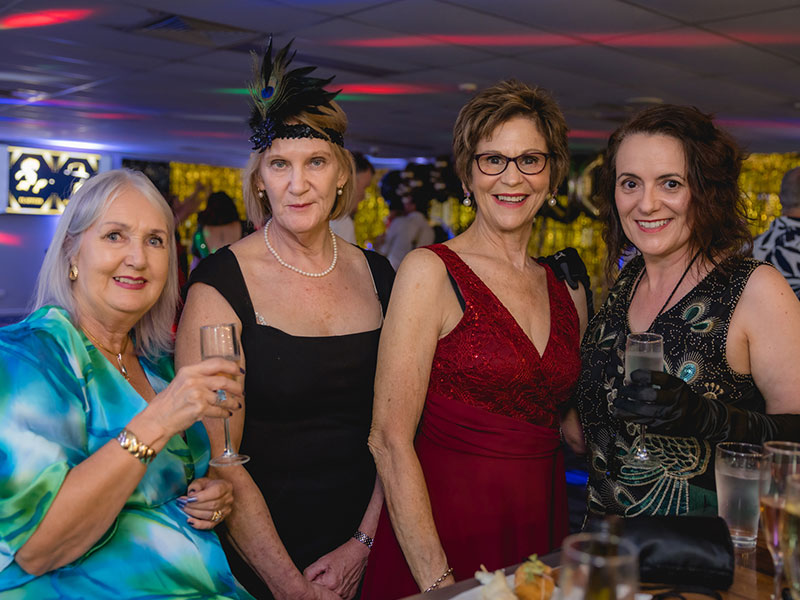
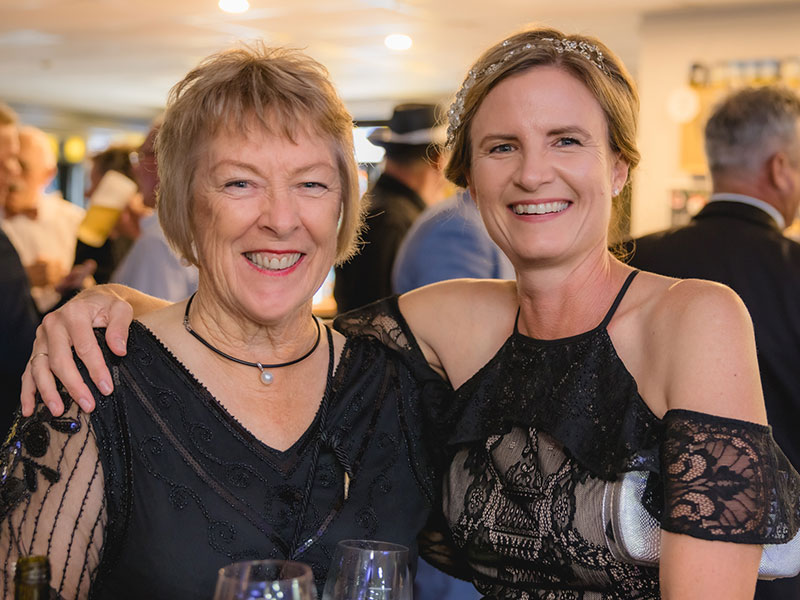
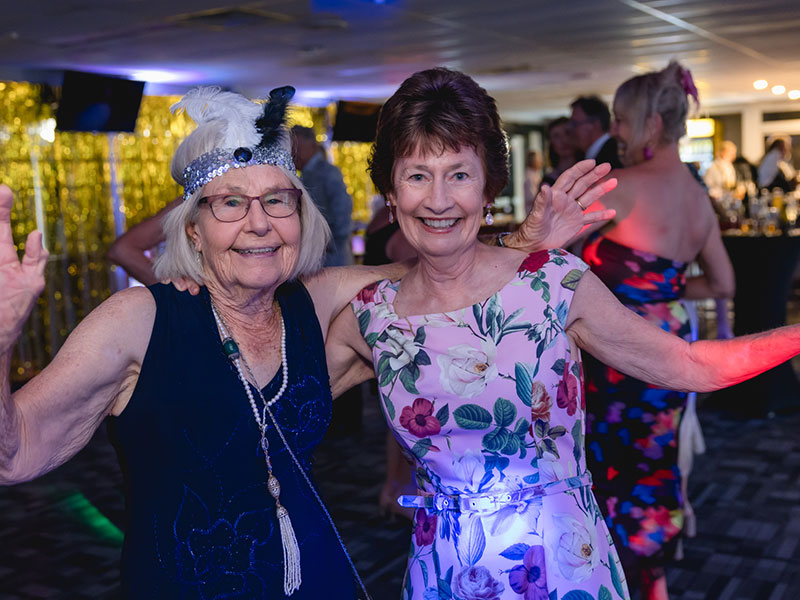
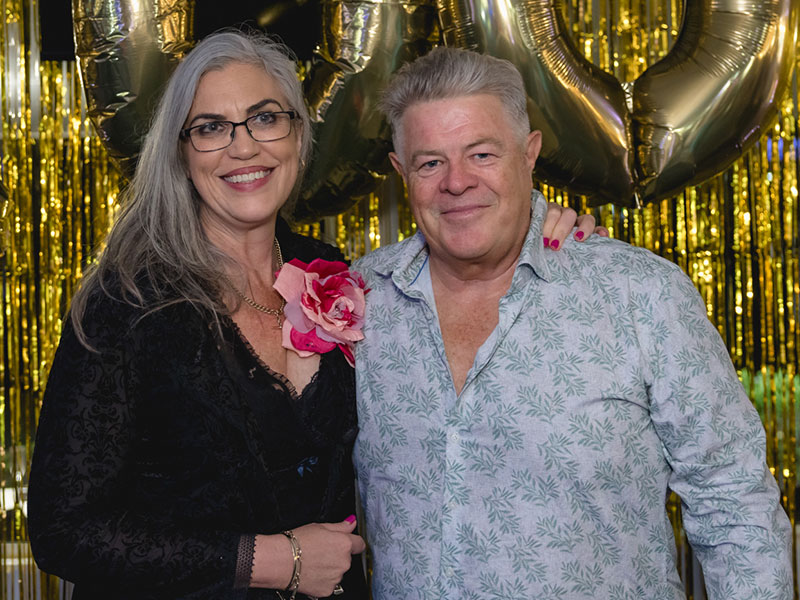
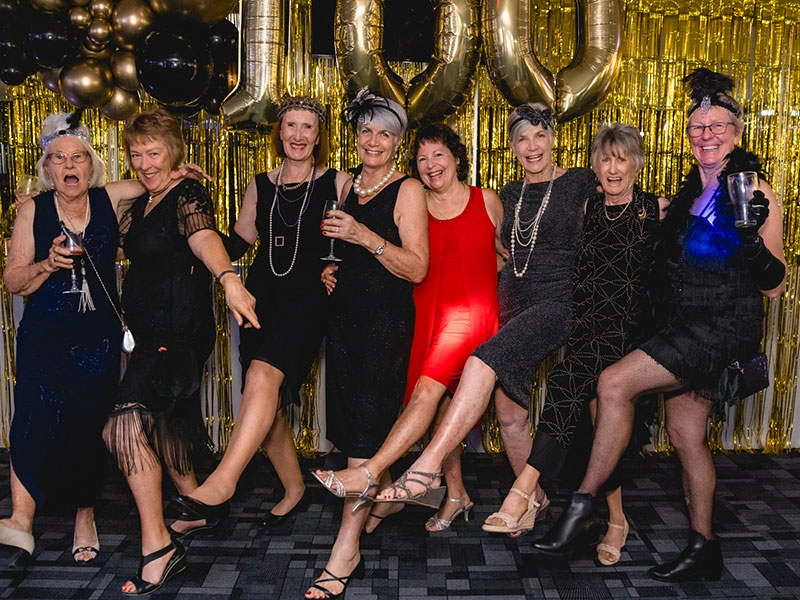
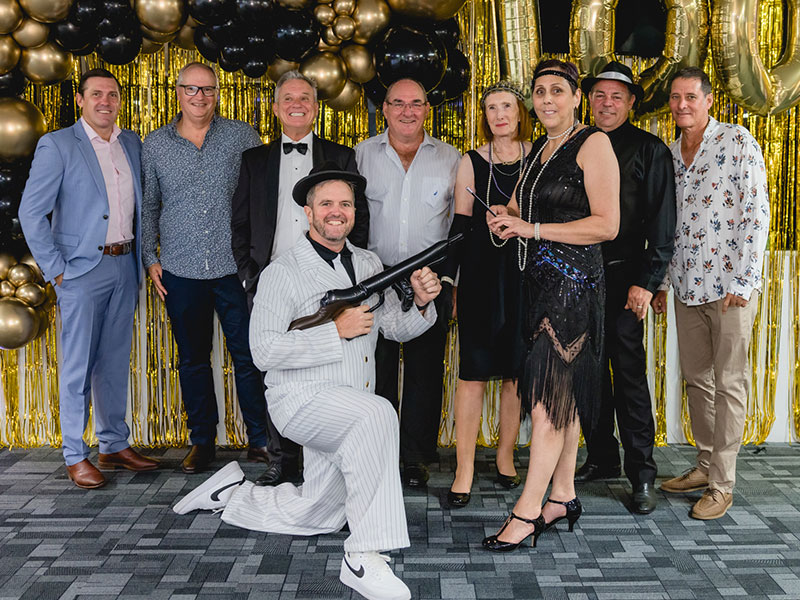
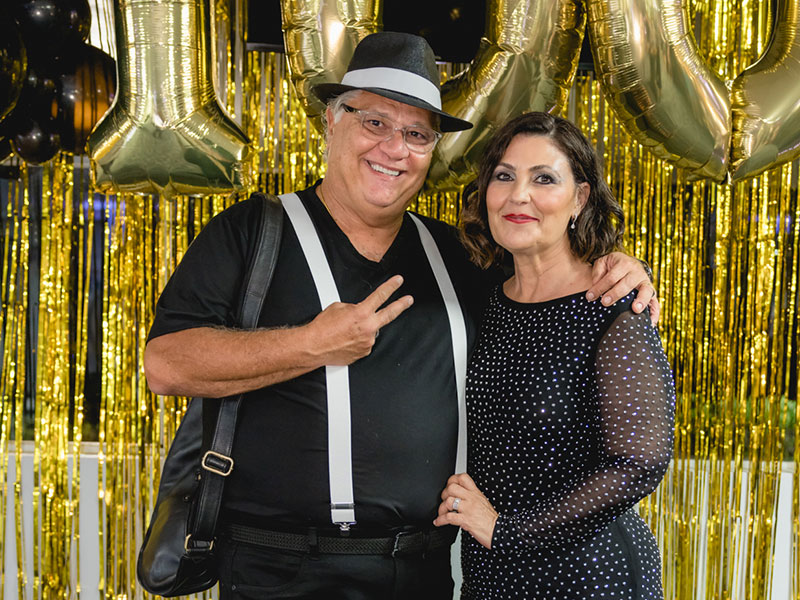
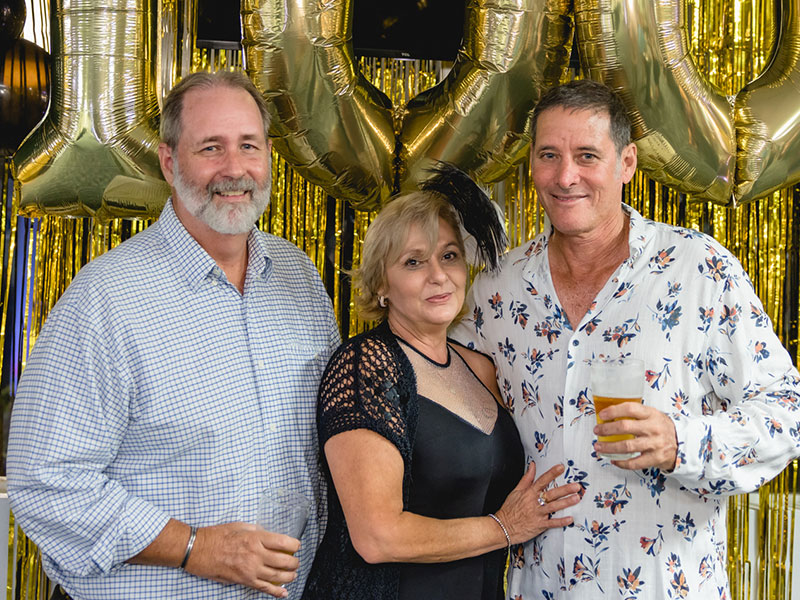
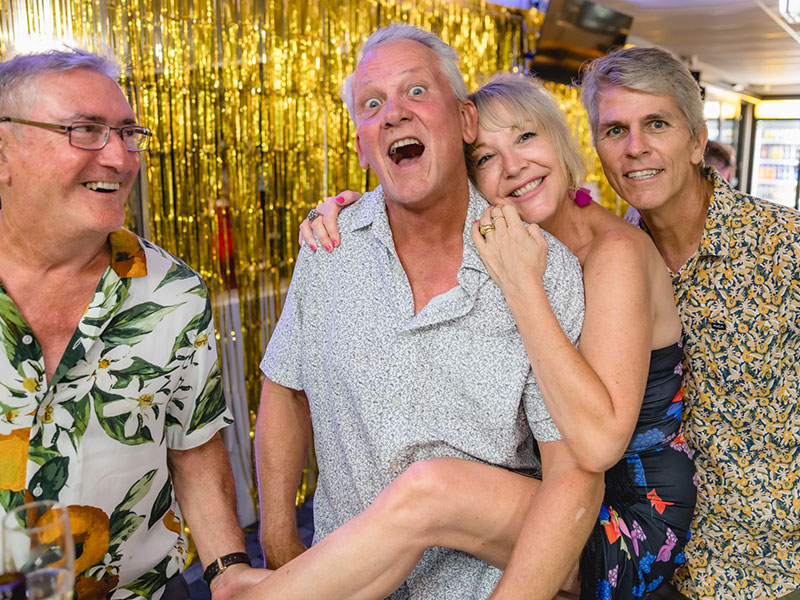
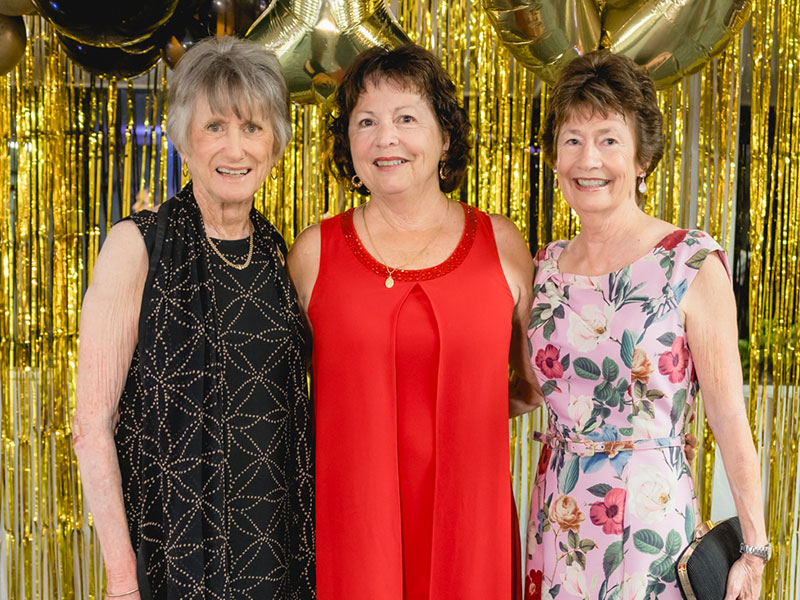
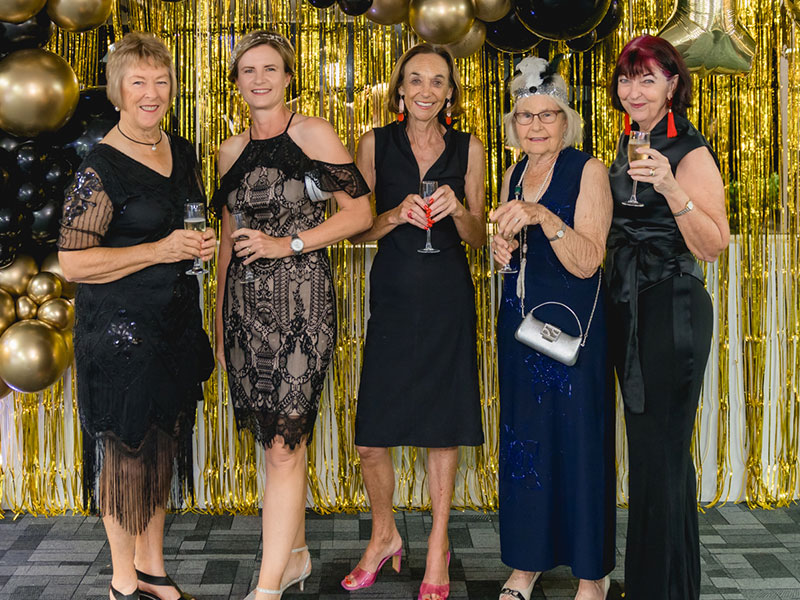
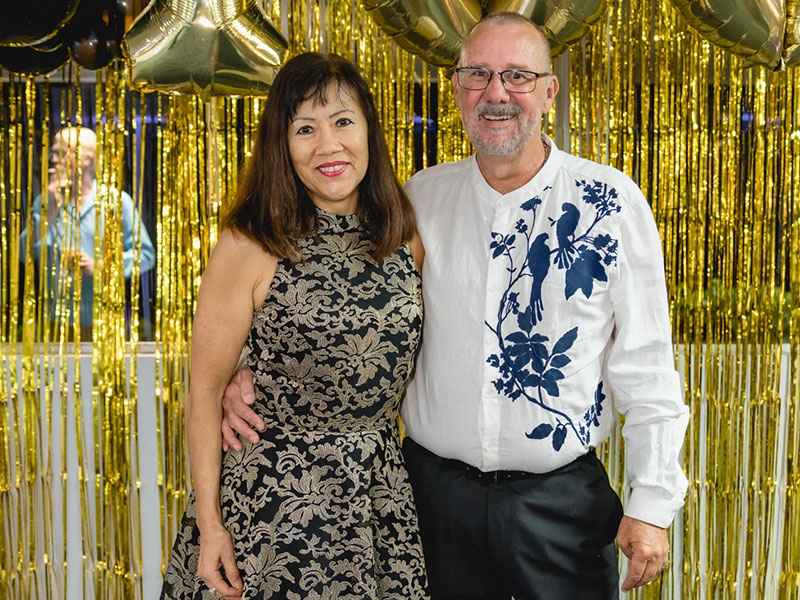
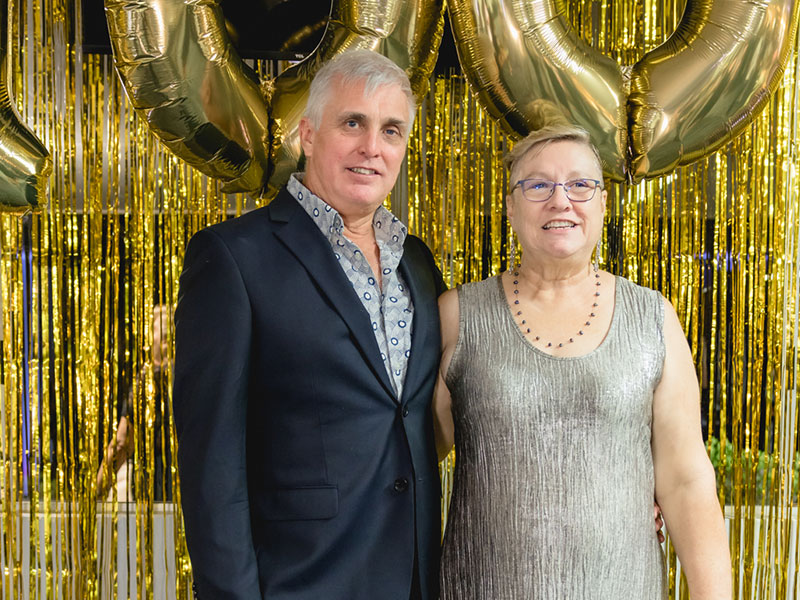
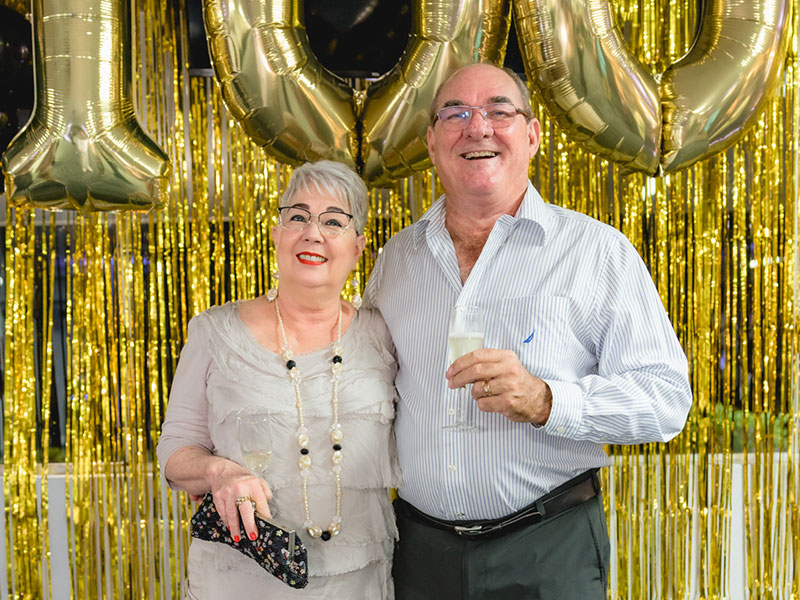
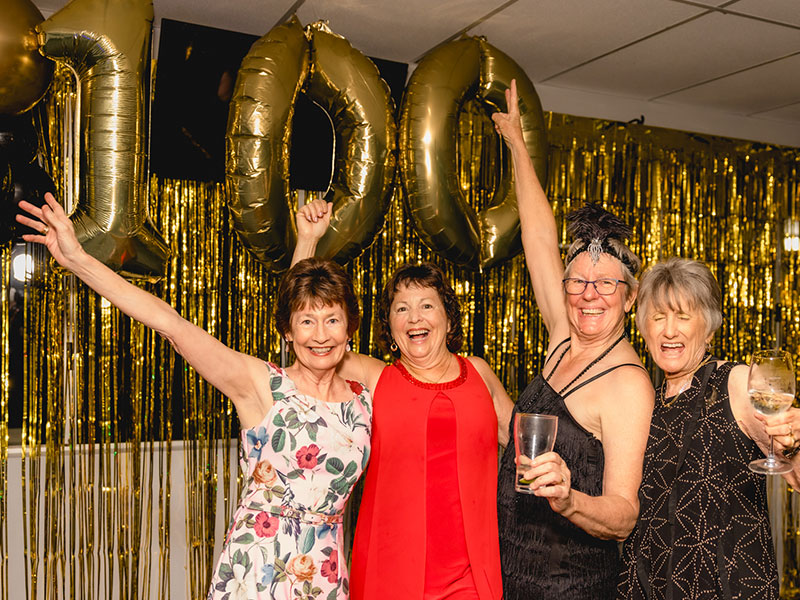
Centenary Celebrations
Centenary Luncheon - Friday 5th May 2023
A History of the Cairns Golf Club
CGC History 1st Edition - 1924 to 1930 (The FIrst 5 Years - The Struggle to Survive)
CDC History 3rd Edition - 1940 to 1945 (The War Years)
CGC History 4th Edition - 1946 to 1950
CGC History 5th Edition - 1950 to 1955 (The Workload Deepens)
CGC History 6th Edition - 1960 to 1965 (A New Direction)
CGC History 7th Edition - 1965 to 1970
CGC History 8th Edition - 1970 to 1973 (Disaster Strikes)
CGC History 9th Edition - 1974 to 1977
CGC History 10th Edition - 1977 to 1980
CGC History 11th Edition - 1980 to 1983
CGC History 12th Edition - 1984 to 1987
CGC History 13th Edition - 1991 to 1993
CGC History 14th Edition - 1994 to 1996
CGC History 15th Edition - 1997
CGC History 16th Edition - 1998
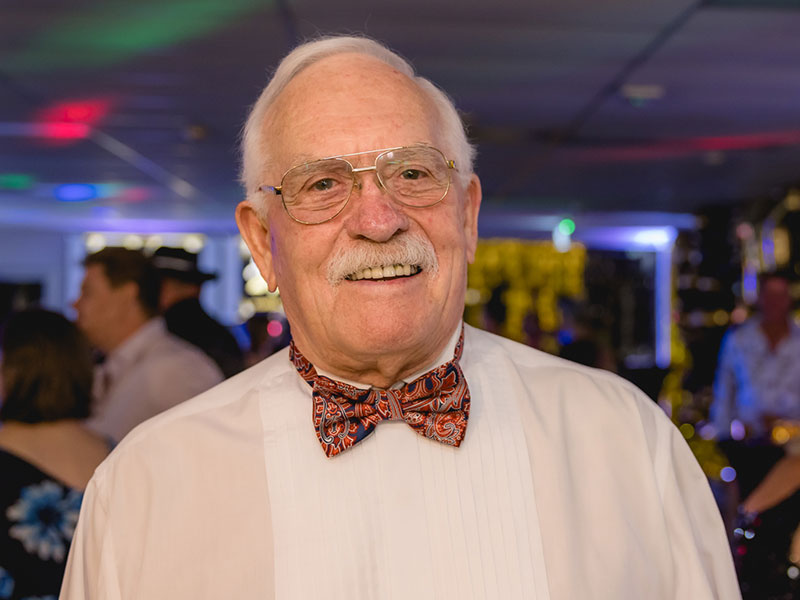
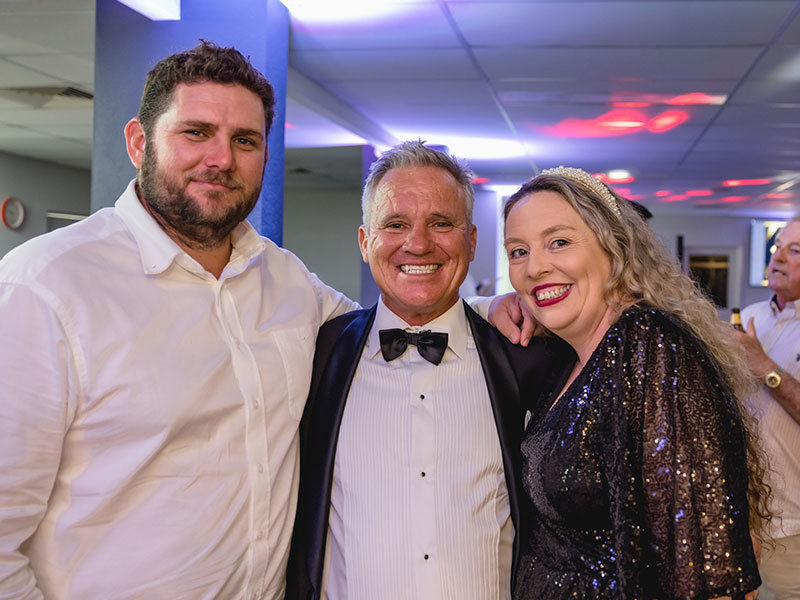
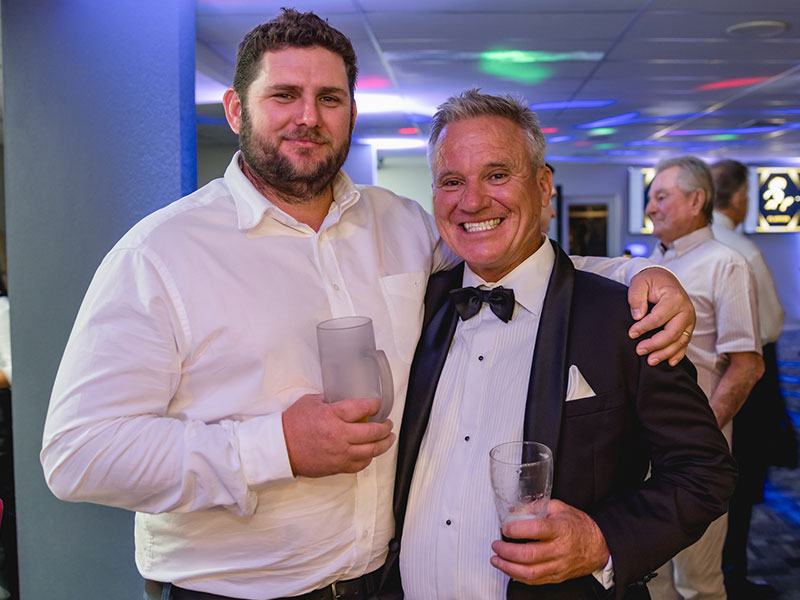
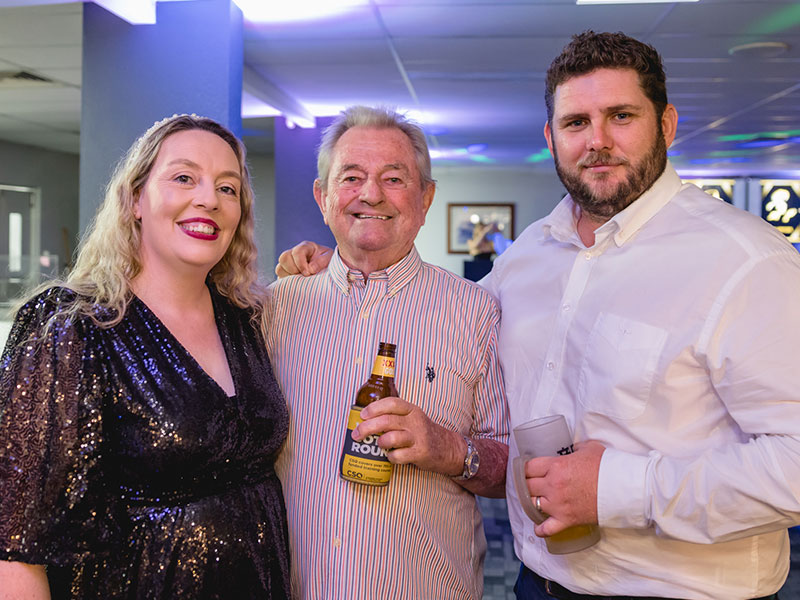
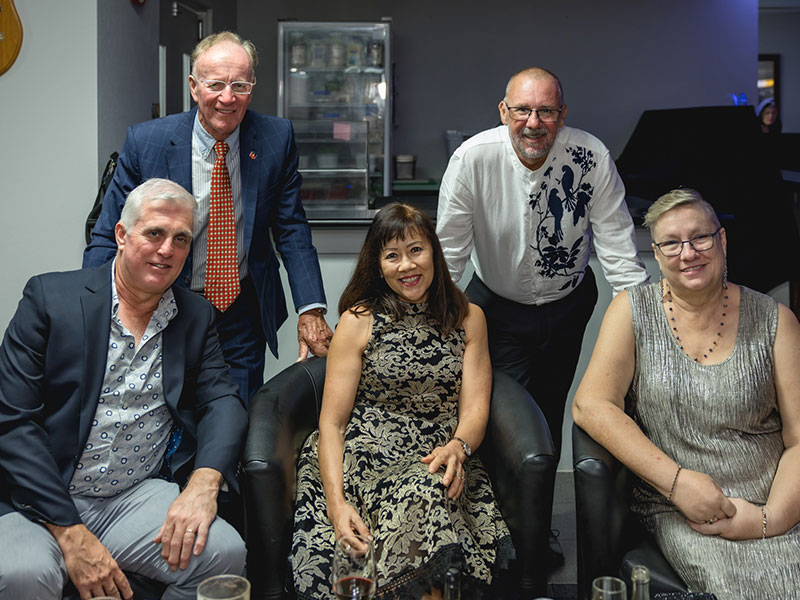
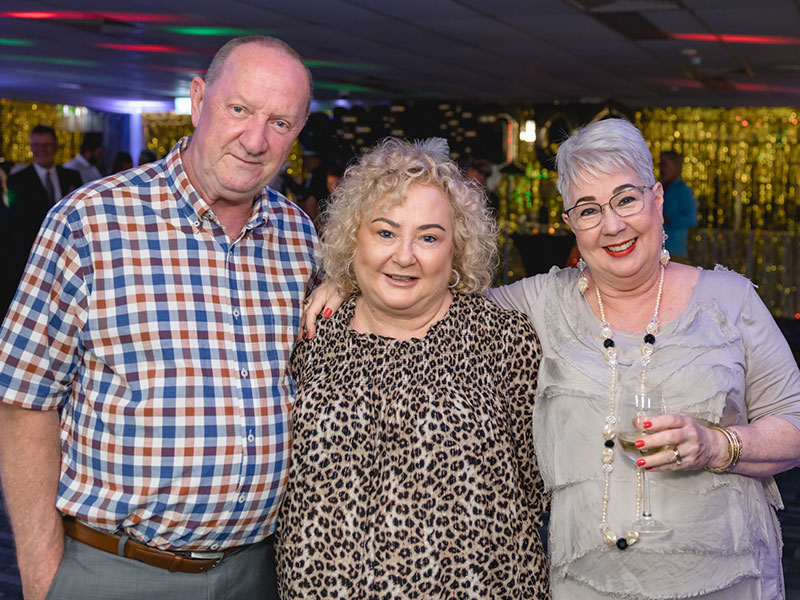
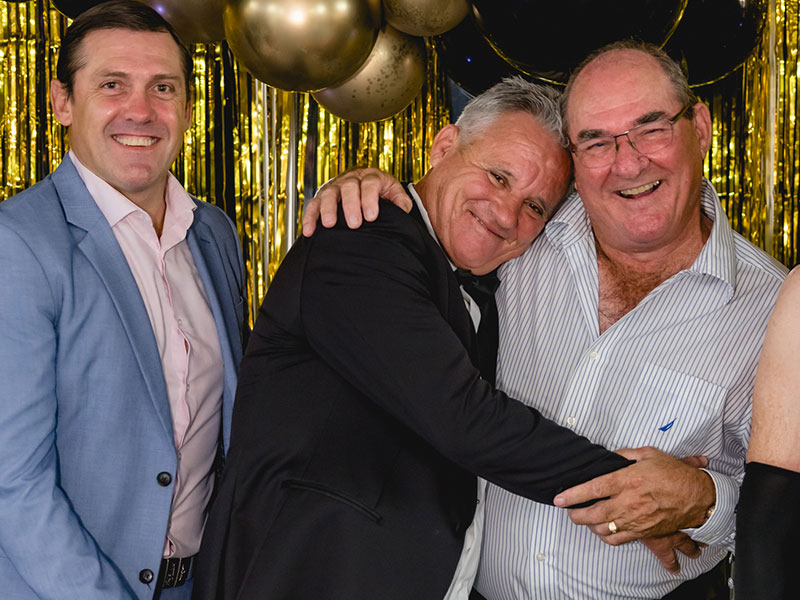
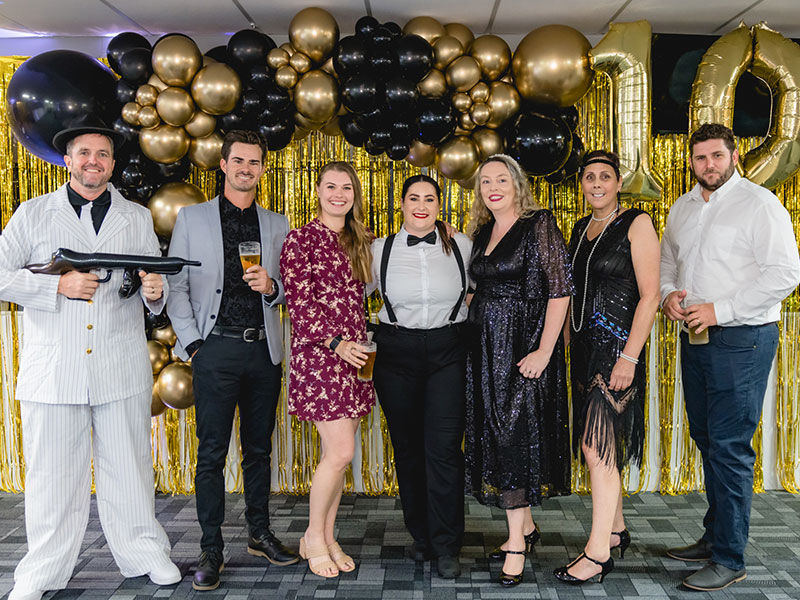
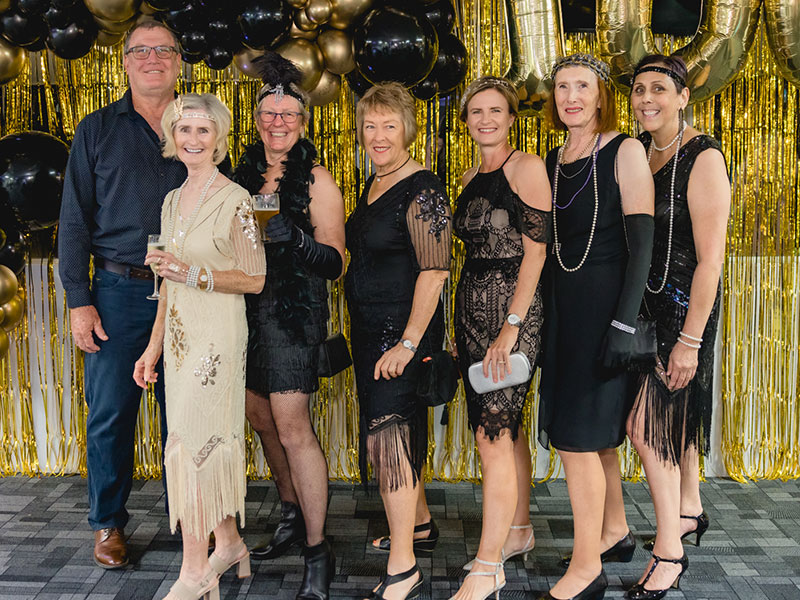
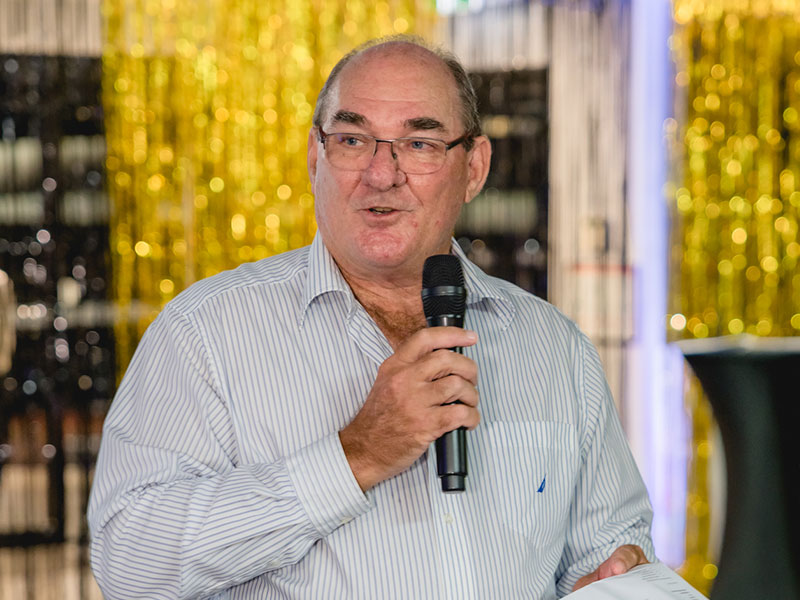
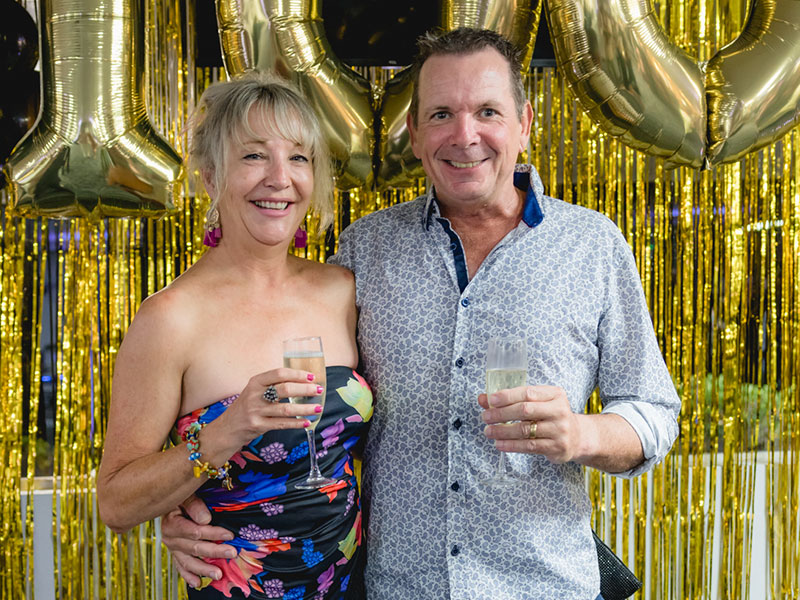
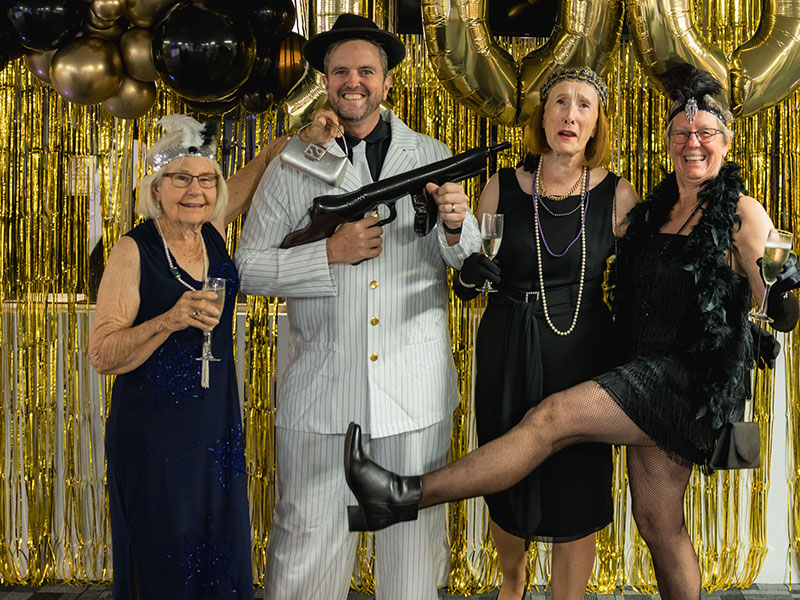
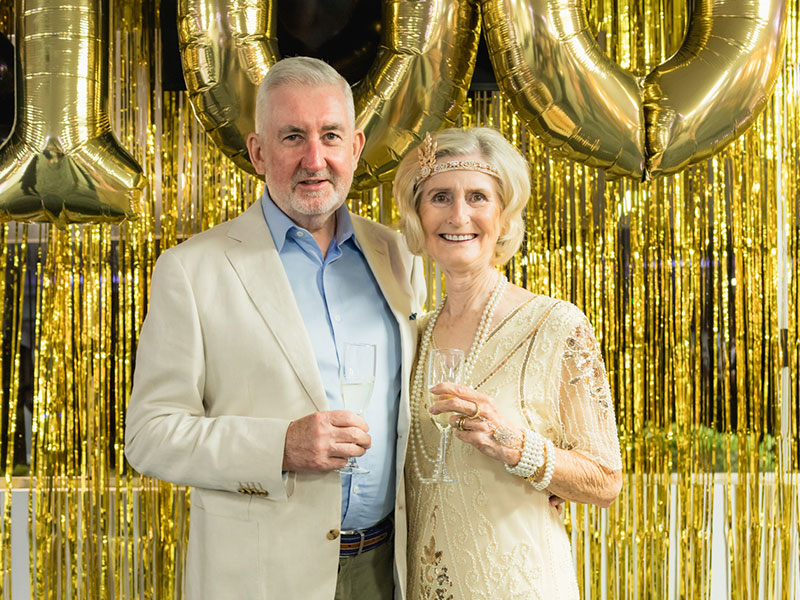
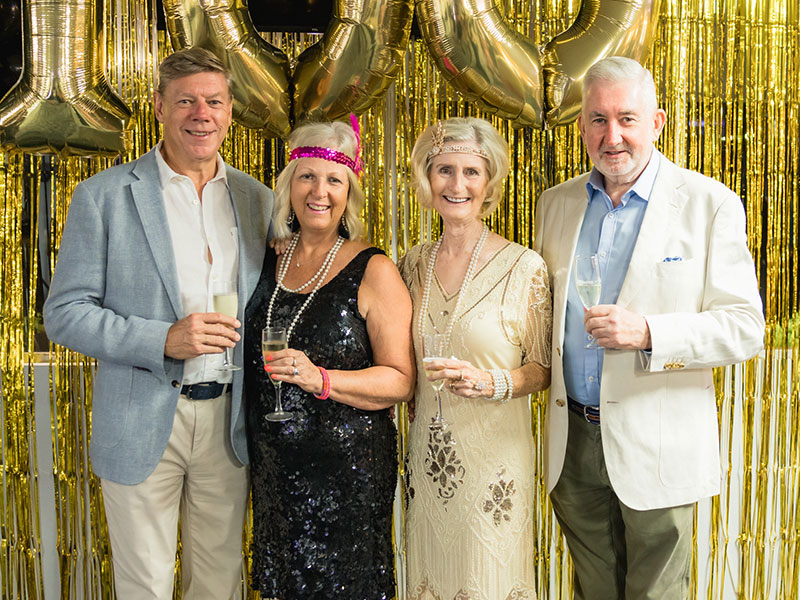
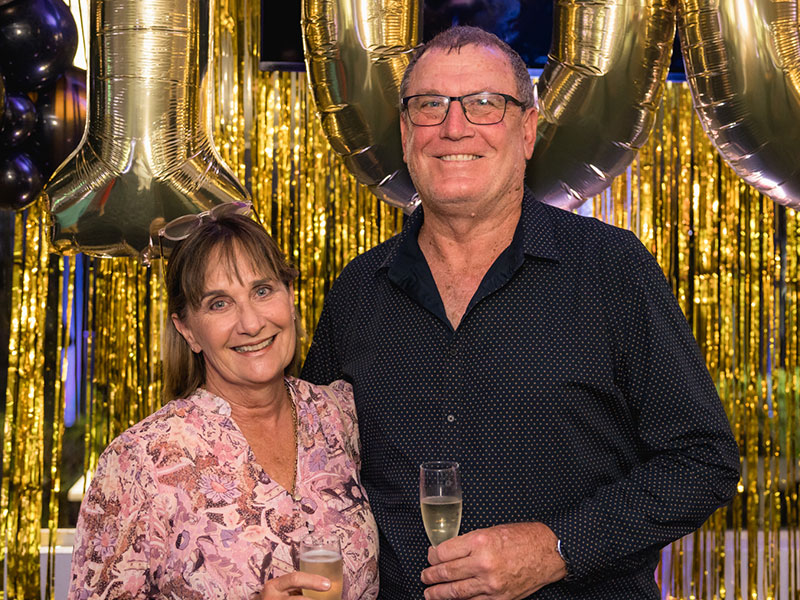
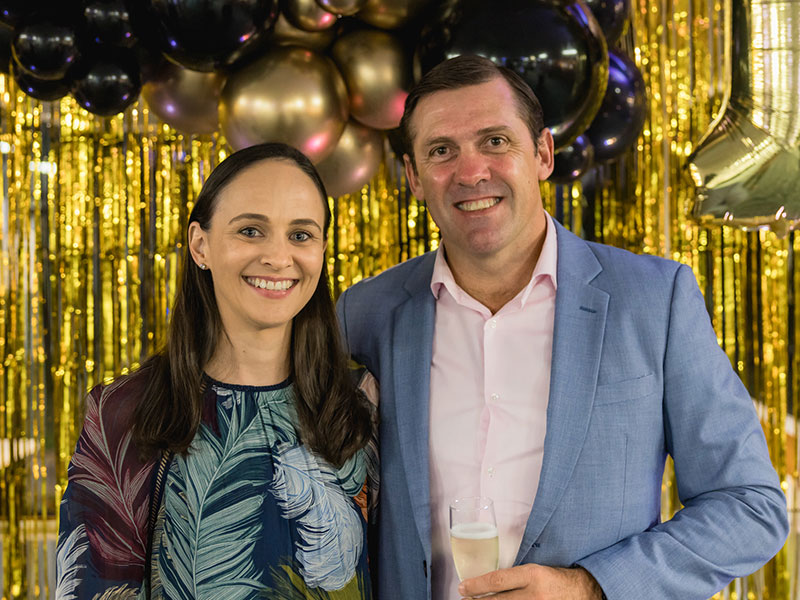
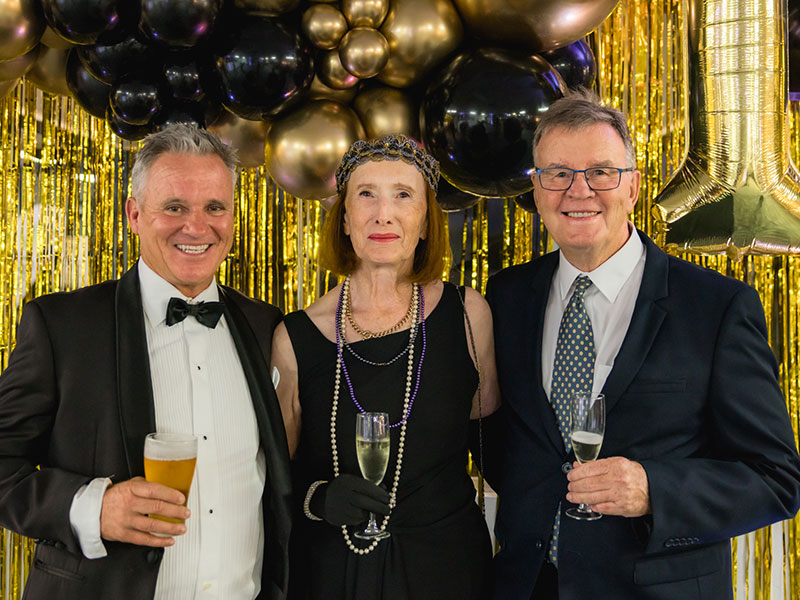
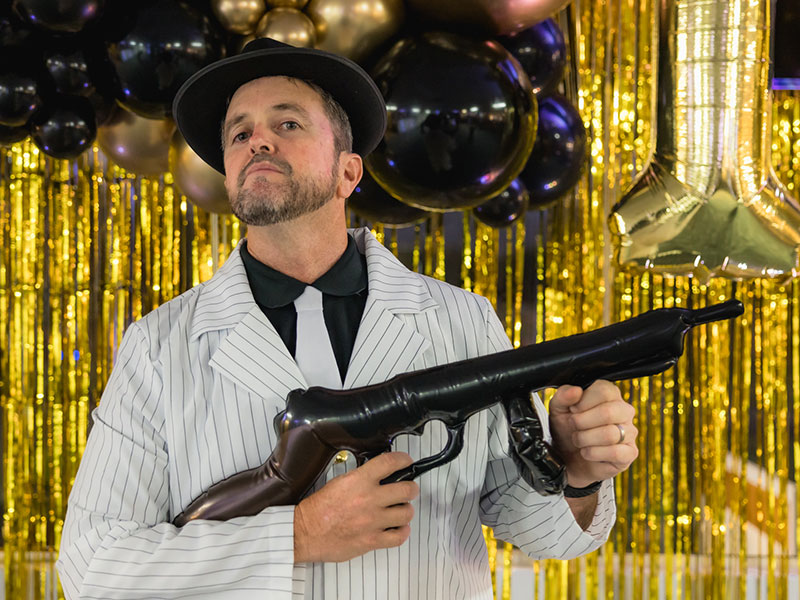
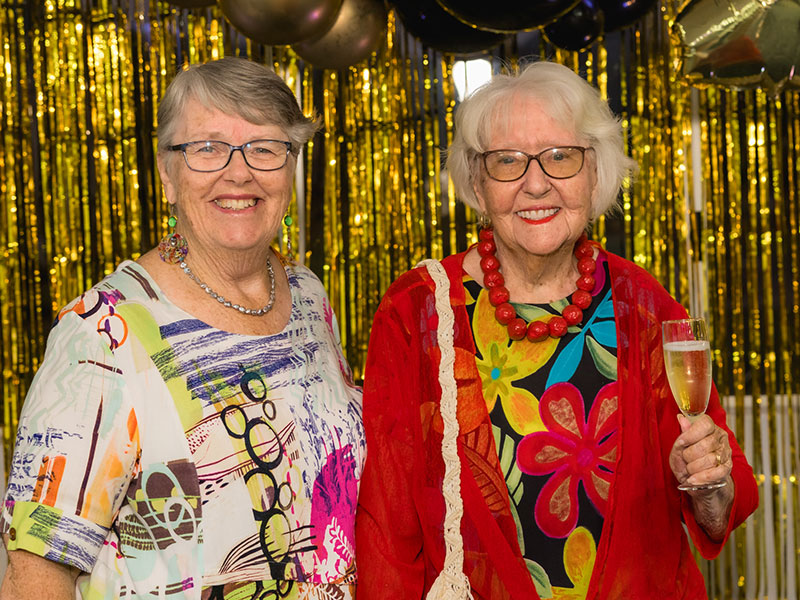
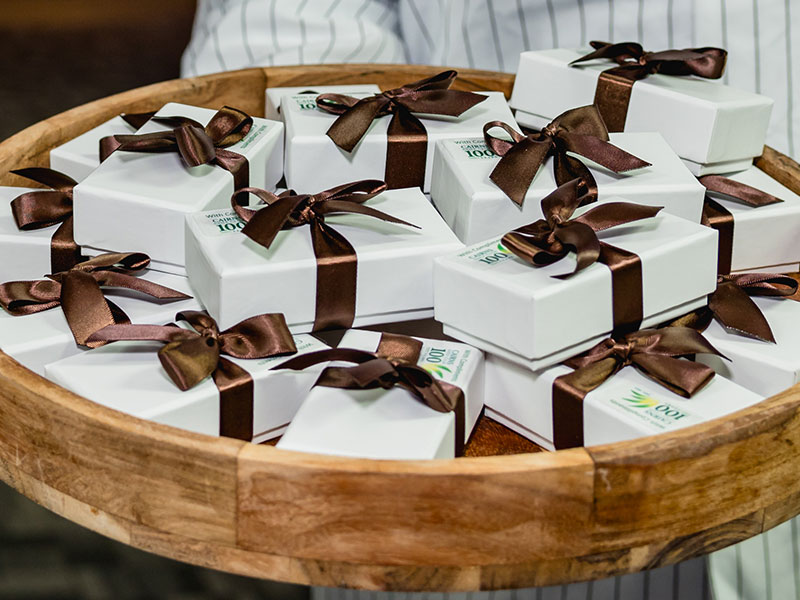
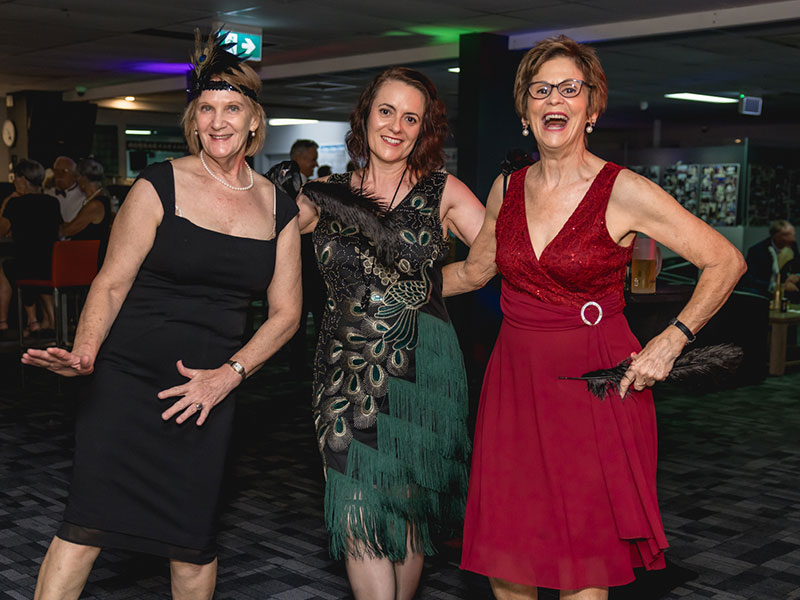
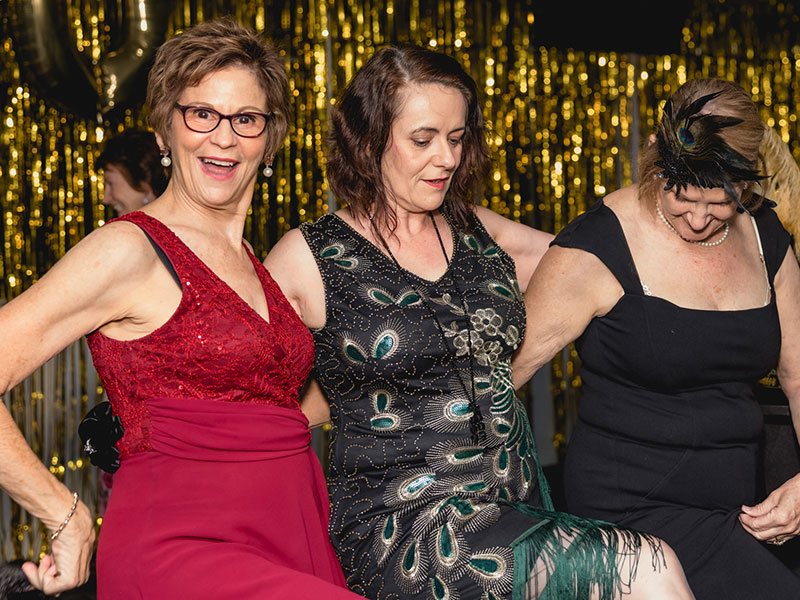
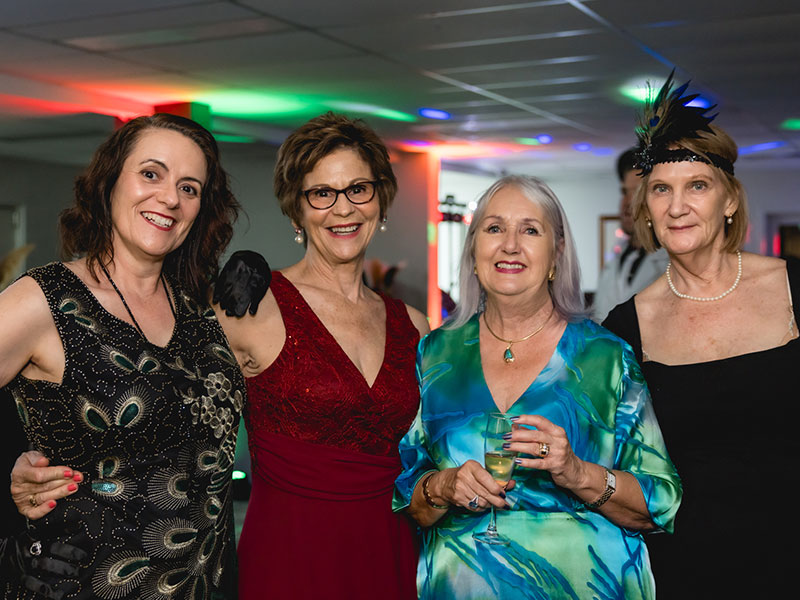
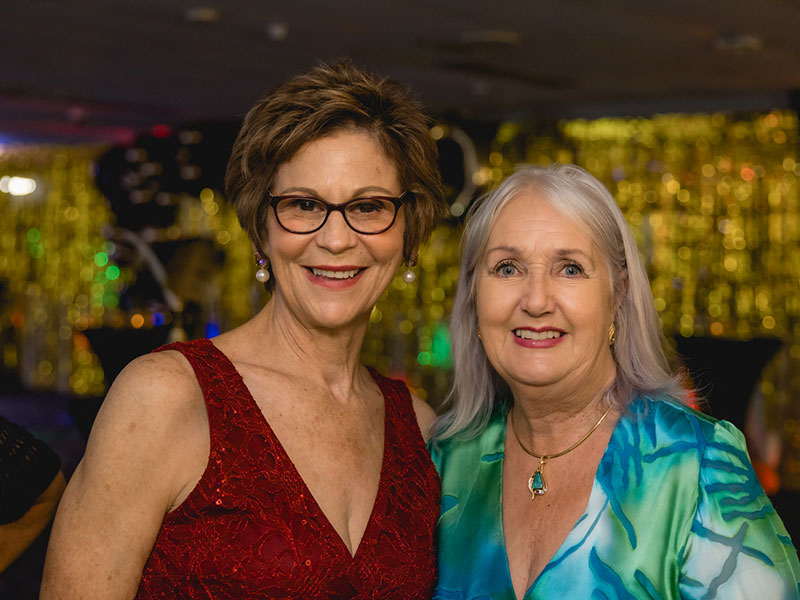
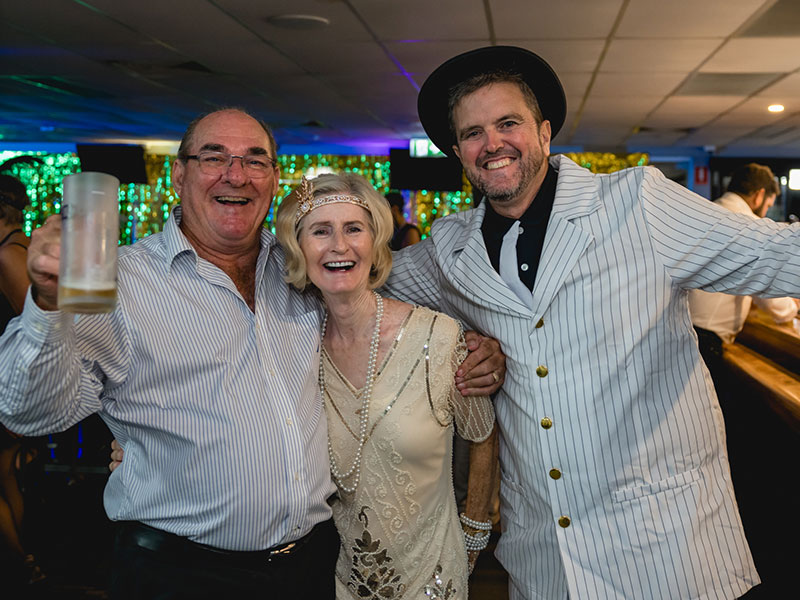
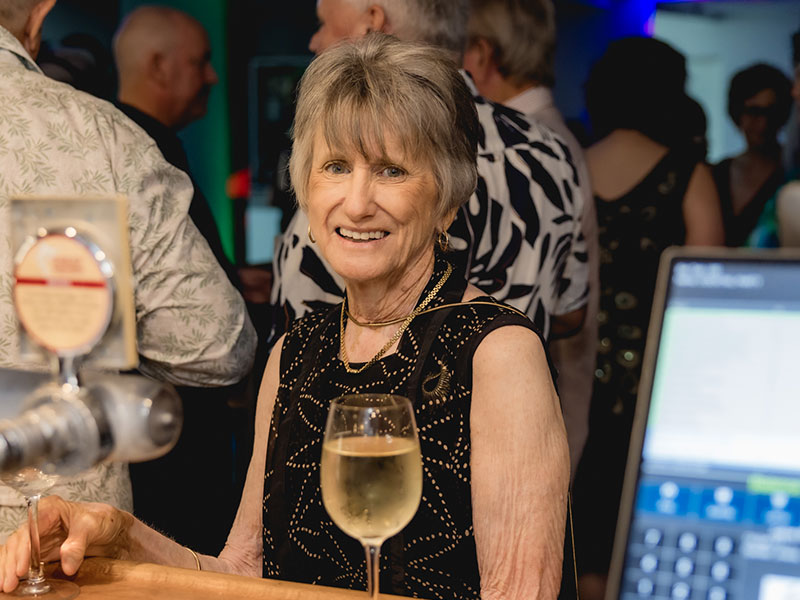
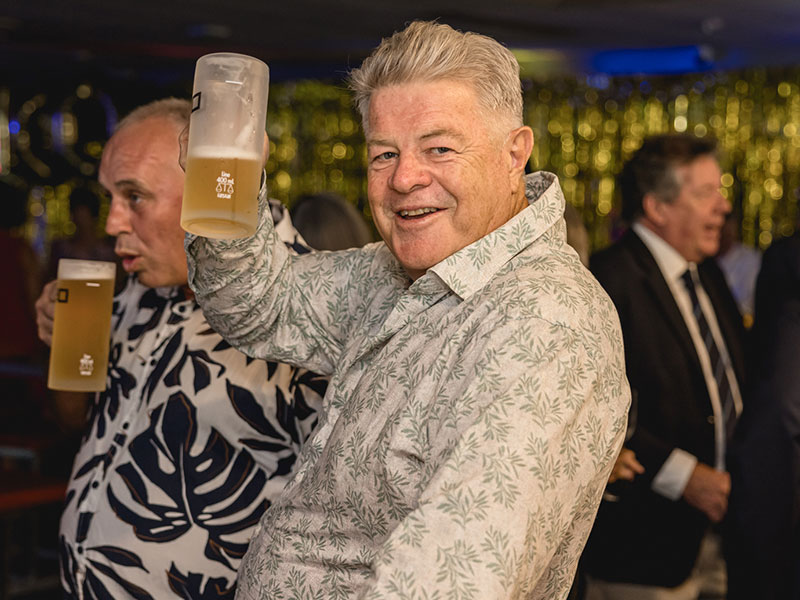
Centenary Party Gallery











































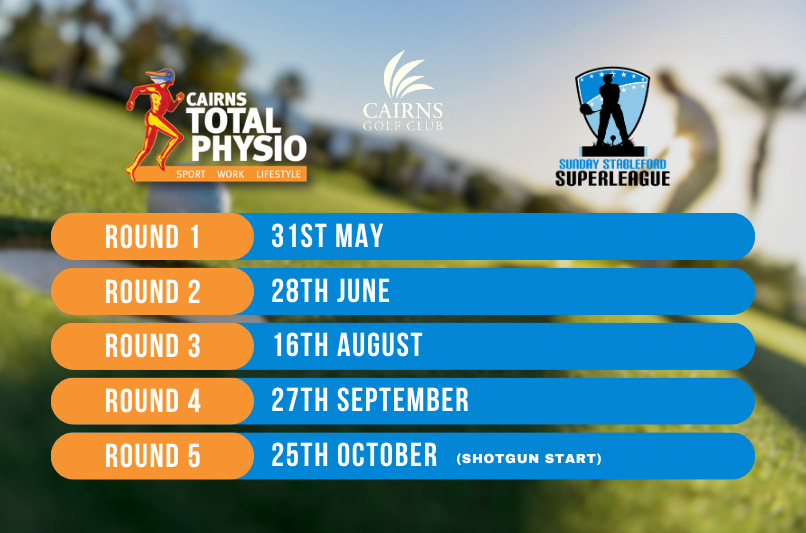
2026 Sunday Superleague


Get Into Golf Women’s Sessions


2026 Juniors Classes


School Holiday Junior Clinics


Every Girl Can


Every Girl Can


MyGolf Cairns Clinics

Annual General Meeting
 Notice of Annual General Meeting 2024
Links Drive, Woree,Queensland
Phone: (07) 4037 6700
Email: info@cairnsgolfclub.com.au
Click to view our Terms & Condition - Click to view our Privacy Policy
